The Intellectual Foundations of Modern Conservatism

The conservative movement has a rich intellectual tradition, rooted in the works of influential thinkers who have shaped its principles over centuries. To truly understand conservatism, one must delve into the literature that forms its foundation. This article explores some of the most important conservative books that have defined and continue to influence conservative thought.

conservative books

One of the cornerstone texts of conservative philosophy is Edmund Burke’s “Reflections on the Revolution in France.” Published in 1790, this work is often considered the birthplace of modern conservatism. Burke’s critique of the French Revolution and his defense of traditional institutions, gradual reform, and the importance of social order laid the groundwork for conservative thinking. His emphasis on the wisdom embedded in long-standing traditions and his skepticism of radical change continue to resonate with conservatives today.

Moving into the 20th century, Russell Kirk’s “The Conservative Mind: From Burke to Eliot” stands as a monumental work in defining the conservative intellectual tradition. Published in 1953, Kirk’s book traces the development of conservative thought from Burke through various thinkers up to T.S. Eliot. Kirk articulates key conservative principles, including belief in a transcendent moral order, appreciation for the variety and mystery of human existence, and the conviction that freedom and property are closely linked.

Friedrich Hayek’s “The Road to Serfdom” is another seminal text that has profoundly influenced conservative economic thought. Written during World War II, Hayek warns against the dangers of central planning and argues for the importance of individual liberty and free markets. His critique of socialism and defense of classical liberal principles have made this book a touchstone for conservatives and libertarians alike.

For those interested in the intersection of conservatism and American politics, Barry Goldwater’s “The Conscience of a Conservative” is essential reading. Published in 1960, this concise manifesto outlines Goldwater’s vision of conservatism, emphasizing limited government, free enterprise, and a strong national defense. The book played a crucial role in galvanizing the conservative movement within the Republican Party.

William F. Buckley Jr.’s “God and Man at Yale” represents another important strand of conservative thought, particularly in its critique of liberal academia. Published in 1951, Buckley’s book challenged what he saw as the secularist and collectivist bent of elite universities, arguing for a return to traditional values and free market principles in higher education.

In more recent years, Thomas Sowell’s works have become increasingly influential in conservative circles. His book “A Conflict of Visions” provides a framework for understanding the fundamental differences between conservative and liberal worldviews, exploring the “constrained” and “unconstrained” visions of human nature and society.

For those interested in the philosophical underpinnings of conservatism, Roger Scruton’s “The Meaning of Conservatism” offers a thoughtful exploration of conservative principles. Scruton delves into topics such as tradition, authority, and the importance of social institutions, providing a nuanced understanding of conservative philosophy.

These books represent just a fraction of the rich conservative literary tradition. By engaging with these texts, readers can gain a deeper understanding of the intellectual foundations of conservatism and the ongoing debates within conservative thought. Whether one identifies as conservative or not, these works offer valuable insights into a political philosophy that continues to shape our world.
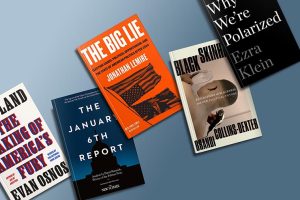

 

Conservative Literature Beyond Politics

When we think of conservative literature, political treatises and economic texts often come to mind. However, conservative values and themes are also richly represented in fiction, offering readers a different lens through which to explore conservative thought. This article delves into novels and stories that embody conservative principles, showcasing how literature can reflect and reinforce traditional values.

books

One of the most celebrated conservative novels is Evelyn Waugh’s “Brideshead Revisited.” Set in England before and during World War II, the book explores themes of tradition, faith, and the decline of aristocratic society. Waugh’s nostalgic portrayal of a vanishing way of life and his characters’ struggles with Catholicism reflect core conservative concerns about preserving cultural heritage and the role of religion in society.

C.S. Lewis, best known for his Chronicles of Narnia series, infused his works with Christian themes and traditional values. “The Screwtape Letters,” while not strictly a novel, uses fiction to explore moral and spiritual themes from a conservative Christian perspective. Lewis’s defense of objective moral truth and his critique of moral relativism resonate strongly with conservative readers.

In American literature, Willa Cather’s novels often embody conservative values, particularly in their portrayal of pioneer life and the importance of tradition. “My Ántonia,” for example, celebrates the virtues of hard work, family, and community, while also exploring the challenges of maintaining cultural identity in a new land.

Walker Percy’s “The Moviegoer” offers a more modern take on conservative themes. Set in New Orleans, the novel grapples with questions of meaning and authenticity in a consumerist society. Percy’s protagonist’s search for purpose and his critique of the shallow materialism of modern life reflect conservative concerns about the spiritual emptiness of secular culture.

Wendell Berry’s fiction, including novels like “Jayber Crow,” embodies a conservative ethos rooted in agrarian values. Berry’s works celebrate small-town life, sustainable agriculture, and the importance of community, offering a critique of industrialization and rootless modernity that resonates with many conservatives.

In the realm of dystopian fiction, Ray Bradbury’s “Fahrenheit 451” can be read as a conservative cautionary tale. The novel’s warning about the dangers of censorship and the importance of preserving cultural heritage through books aligns with conservative emphasis on free speech and the value of tradition.

Tom Wolfe’s “The Bonfire of the Vanities” offers a satirical take on 1980s New York that aligns with conservative critiques of urban decay, racial politics, and the excesses of Wall Street. Wolfe’s unflinching portrayal of societal breakdown and moral corruption in the city reflects conservative concerns about the direction of modern society.

For readers interested in more recent conservative fiction, Orson Scott Card’s “Empire” series explores themes of political polarization and the threat of civil war in America. While controversial, the books reflect conservative anxieties about national unity and the potential consequences of extreme partisanship.

These works of fiction offer more than just entertainment; they provide a window into conservative values and concerns through storytelling. By engaging with these novels, readers can gain insights into conservative thought that may be more accessible and emotionally resonant than political treatises. Moreover, these books demonstrate that conservative ideas are not confined to explicit political writing but are woven into the fabric of literary culture.

Whether through nostalgia for traditional ways of life, critiques of modern secularism, or celebrations of timeless virtues, conservative fiction continues to play an important role in shaping cultural narratives. As readers explore these works, they encounter not just stories, but reflections on the enduring values and principles that form the heart of conservative thought.


The New Wave of Conservative Authors

As conservatism evolves to meet the challenges of the 21st century, a new generation of authors is emerging to articulate conservative principles for a changing world. These writers are tackling contemporary issues through a conservative lens, offering fresh perspectives on everything from technology and globalization to identity politics and environmental stewardship. This article highlights some of the most influential conservative authors of recent years and their contributions to modern conservative thought.

Yuval Levin has become one of the most respected conservative intellectuals of his generation. His book “The Fractured Republic” offers a nuanced analysis of America’s political and social divisions, arguing for a conservatism that emphasizes community and civil society rather than pure individualism or centralized government. Levin’s work represents a thoughtful attempt to adapt conservative principles to the realities of modern America.

In the realm of cultural commentary, Ben Shapiro has emerged as a prominent voice for young conservatives. His book “The Right Side of History” makes a case for the importance of Judeo-Christian values and Western civilization, arguing that these traditions are essential for maintaining a free and prosperous society. Shapiro’s work reflects a conservative emphasis on cultural values and historical continuity.

For those interested in conservative approaches to foreign policy, Tom Nichols’ “The Death of Expertise” offers a critique of anti-intellectualism that resonates with many conservatives. While Nichols is not strictly a conservative author, his defense of expertise and concern about the erosion of traditional sources of authority align with conservative principles.

Addressing the intersection of conservatism and environmentalism, Roger Scruton’s “Green Philosophy” presents a conservative approach to environmental stewardship. Scruton argues for local, community-based solutions to environmental problems, rejecting top-down, globalist approaches. His work represents an important contribution to conservative thinking on a topic often associated with the left.

In the field of economics, Oren Cass has emerged as an important voice challenging orthodox free-market thinking from a conservative perspective. His book “The Once and Future Worker” argues for a conservatism that prioritizes the interests of working-class Americans, advocating for policies that support stable families and communities. Cass’s work represents a shift in conservative economic thinking, moving away from pure laissez-faire approaches.

Addressing issues of race and identity politics, Coleman Hughes has become an influential voice in conservative circles. While not yet the author of a full-length book, Hughes’ articles and essays offer a conservative perspective on racial issues that emphasizes individual responsibility and skepticism towards group-based policies.

For those interested in the intersection of conservatism and technology, Peter Thiel’s “Zero to One” offers insights from a conservative-leaning Silicon Valley entrepreneur. While not explicitly political, Thiel’s emphasis on innovation and skepticism of conventional wisdom aligns with conservative principles of free enterprise and individual achievement.

J.D. Vance’s memoir “Hillbilly Elegy” has become an important text for understanding the challenges facing working-class white Americans. While not a political treatise, Vance’s book has been embraced by many conservatives for its emphasis on personal responsibility and skepticism of government solutions to social problems.

These authors represent just a small sample of the diverse voices shaping modern conservative thought. Their works grapple with the complexities of contemporary issues while remaining grounded in core conservative principles. By engaging with these thinkers, readers can gain a deeper understanding of how conservatism is evolving to address the challenges of the 21st century.

As conservatism continues to adapt and evolve, these authors and others like them are playing a crucial role in shaping the movement’s ideas and priorities. Their works offer not just critiques of liberal policies, but positive visions for how conservative principles can be applied to solve modern problems. Whether addressing economic inequality, cultural divisions, or technological change, these new conservative voices are ensuring that the movement remains relevant and vital in a rapidly changing world.


Practical Yet Romantic Gift for Husband Suggestions for Everyday Joy

Finding that perfect gift for your husband—something both practical and romantic—can feel like a delicate balance. You want to show your love while giving him something he’ll actually use every day. The right present speaks your affection in his language, whether through a personalized item he carries with him or an upgrade to his daily ritual. The secret lies in those thoughtful touches that transform ordinary moments into daily reminders of your connection, making the mundane surprisingly meaningful.

Personalized Essentials That Blend Function With Feeling

While the thought of romance often conjures images of roses and chocolate, practical gifts with a personal touch can speak volumes to a husband who values both sentiment and utility. Consider a monogrammed leather wallet, custom tool set, or engraved watch that he’ll use daily. These thoughtful gift for husband options seamlessly integrate into his routine while reminding him of your love.

gift for husband

Experience-Based Gifts to Create Shared Memories

Although material gifts have their place, nothing strengthens a marriage quite like building memories together. Consider booking a cooking class he’s mentioned, planning a weekend getaway to his favorite hiking spot, or arranging tickets to see his beloved sports team. These experiences offer quality time together while showing you’ve noticed his interests—creating lasting bonds that no physical gift can match.

Tech Gadgets That Show You Pay Attention

Many husbands appreciate tech gadgets that enhance their daily lives while showing you’ve noticed their specific needs.

Consider a smart watch that tracks his fitness journey, wireless earbuds for his commute, or a gaming accessory he’s been eyeing. The key isn’t just getting technology—it’s choosing something that supports his interests and daily routines, proving you’re paying attention to what matters to him.

Everyday Luxuries That Elevate His Routine

Romance often thrives in the subtle upgrades to everyday life that say “I see you” without requiring special occasions. Consider gifting your husband a premium coffee subscription, high-thread-count sheets, or a luxurious shaving kit that elevates his morning ritual. These thoughtful touches transform mundane routines into moments of comfort, showing your love through everyday experiences he’ll appreciate daily.